A mosque in Panama
Hello. My name is Sam and I'm trying to cycle round the world to raise money for Shelterbox. If you want to donate or find out more about the charity that would be brilliant. Just click on the links below.
Wednesday, 9 February 2011
A day in Nicaragua
In the morning, mosquitos; slow and heavy with my blood.
Dusty the yellow, sun lit shafts, and thin; small light cracks around a heavy door.
In the morning, one half-opened eye, a £2 bottle of rum, half-empty, and a concrete floor, scattered mess and a bike to ride.
In the morning, revenge; red, mosquito-sized blotches on hot, wet skin. The scrunching of them. The tearing of wings.
Cold, waking water in the morning´s heat.
Later, under the midday sun, a horse lies, dead. On one side, smooth, bare ribs stick out towards the sky, the shrivelled black heads of vultures jostling for meat. Wings flare up and two pairs of talons grapple and scratch. There is half a horse left, but already, reason to fight. The horse´s head turns away, nonchalant, as though uninterested by the score of vultures feasting on its flesh. Or perhaps its neck is broken.
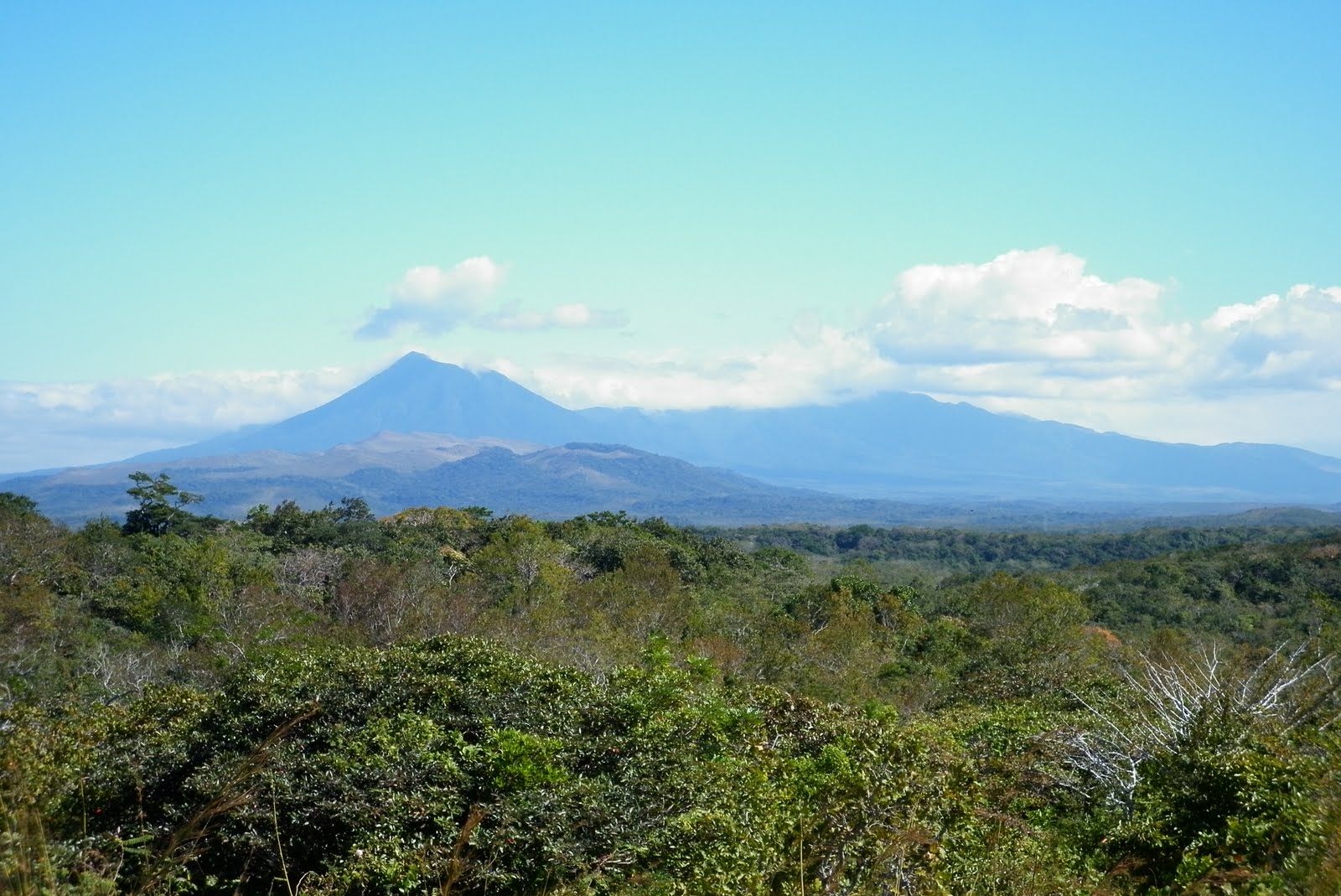
Behind the vultures green grass glistens, wet, and in the distance the faded silhouette of a volcano, a smoky dark blue. I stop for lunch at a wooden shack, a single stove connected to a gas canister. Chicken, rice and beans.
The fields dissolve into the dust and noise of a city; the market places and three-lane streets, new glass buildings and shining cars. A public park is covered in make-shift shelters; corrugated iron sheets, branches of trees and black plastic bags stretched taut. The structures are packed so tightly, there is barely enough room for a person to walk between them. There are no doors built into the shelters, but inhabitants of the settlement come and go, through the gaps in plastic-bag walls.
I cycle through Managua, the capital city of Nicaragua, home to a third of the country´s population, in less than 2 hours. The dust and noise dissolve into fields once again.
The shadows lengthen, fade and disappear. Only a faint glow remains above the western horizon. On the outskirts of Masaya, I stop and ask for directions.
There is a stable outside Bisma´s house. Two horses chewing straw. Dogs in the yard. Machinery lies everywhere. The truck that Bisma drove from Los Angeles to Nicaragua several years ago is parked beside two others, and outside the gate another pulls up. The working day comes to an end.
Cold beers appear from inside, and we sit outside on rocking chairs. Errands are ran; more cigarettes, more beer, and it is late before the cycle ends. We drive in Bisma´s car down to the town, and are welcomed into José´s house. As we step inside, Bisma turns to me, "This is Nicaragua."
Nicaragua then, is the thick rich scent of sizzling pork, and the sweet shiver of golden rum, the crispy salty taste of fried plantains, and a lightly spiced rice. It is a room full of people at midnight, music blaring from the street, and from inside. Children dropping bikes outside and running inside to drink juice, eat plantain crisps, and running out again to play. It is a great closeness between people, and an openness and generosity towards strangers. It is a beautiful, warm evening, at the end of a long hot day.
We are the last to leave, full and drunk; the streets are quiet, and the darkness cool.
"Come back tomorrow, stay for a few days," says José, showing us out.
I can´t, I tell him. I´m meeting my dad in Costa Rica. It´s a conversation we had only an hour or so ago.
"Ahh, Costa Rica. Tell your dad to come here. He would be very welcome."

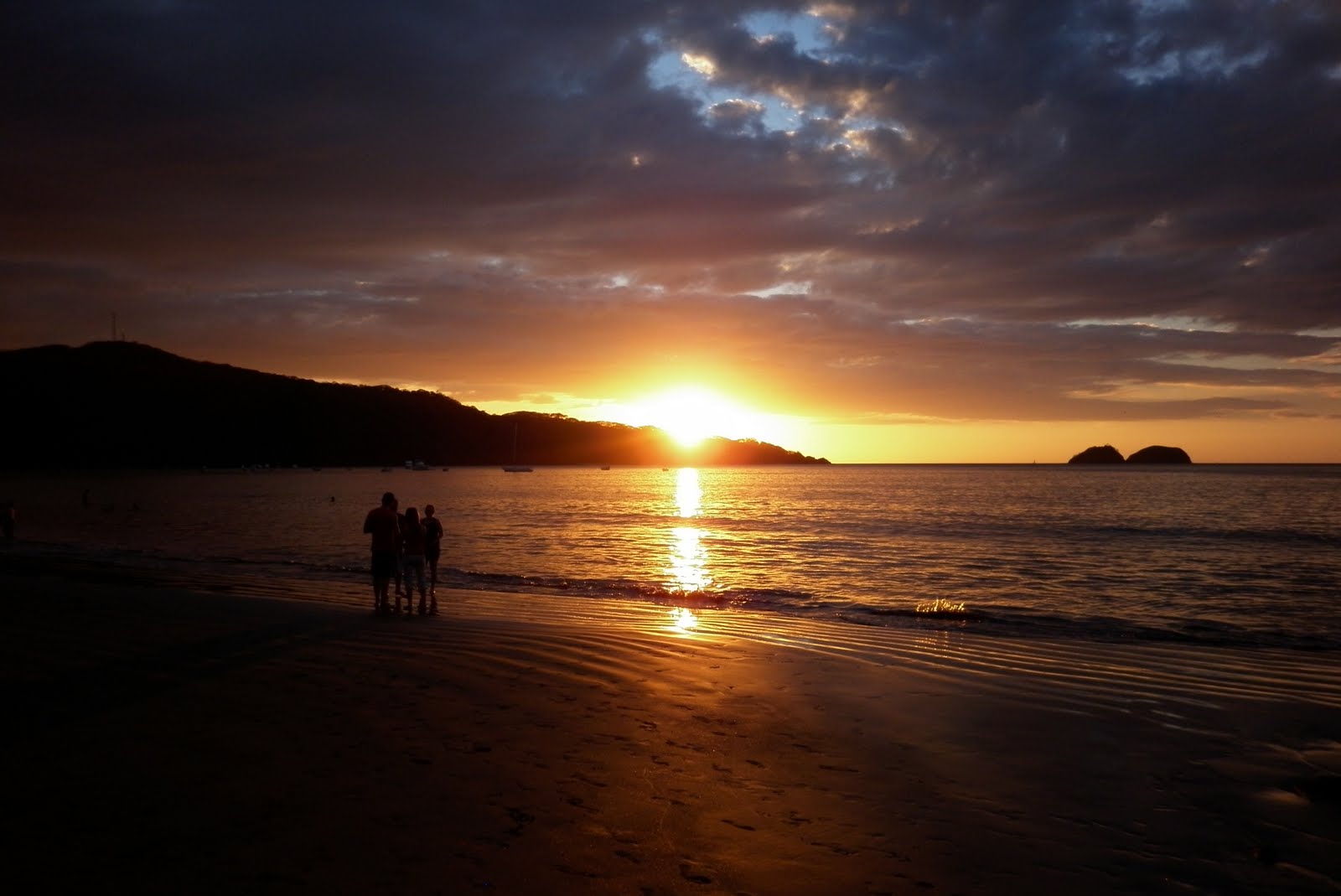
Playa Hermosa, Nicoya Peninsular, Costa Rica
Dusty the yellow, sun lit shafts, and thin; small light cracks around a heavy door.
In the morning, one half-opened eye, a £2 bottle of rum, half-empty, and a concrete floor, scattered mess and a bike to ride.
In the morning, revenge; red, mosquito-sized blotches on hot, wet skin. The scrunching of them. The tearing of wings.
Cold, waking water in the morning´s heat.
Later, under the midday sun, a horse lies, dead. On one side, smooth, bare ribs stick out towards the sky, the shrivelled black heads of vultures jostling for meat. Wings flare up and two pairs of talons grapple and scratch. There is half a horse left, but already, reason to fight. The horse´s head turns away, nonchalant, as though uninterested by the score of vultures feasting on its flesh. Or perhaps its neck is broken.
Behind the vultures green grass glistens, wet, and in the distance the faded silhouette of a volcano, a smoky dark blue. I stop for lunch at a wooden shack, a single stove connected to a gas canister. Chicken, rice and beans.
The fields dissolve into the dust and noise of a city; the market places and three-lane streets, new glass buildings and shining cars. A public park is covered in make-shift shelters; corrugated iron sheets, branches of trees and black plastic bags stretched taut. The structures are packed so tightly, there is barely enough room for a person to walk between them. There are no doors built into the shelters, but inhabitants of the settlement come and go, through the gaps in plastic-bag walls.
I cycle through Managua, the capital city of Nicaragua, home to a third of the country´s population, in less than 2 hours. The dust and noise dissolve into fields once again.
The shadows lengthen, fade and disappear. Only a faint glow remains above the western horizon. On the outskirts of Masaya, I stop and ask for directions.
There is a stable outside Bisma´s house. Two horses chewing straw. Dogs in the yard. Machinery lies everywhere. The truck that Bisma drove from Los Angeles to Nicaragua several years ago is parked beside two others, and outside the gate another pulls up. The working day comes to an end.
Cold beers appear from inside, and we sit outside on rocking chairs. Errands are ran; more cigarettes, more beer, and it is late before the cycle ends. We drive in Bisma´s car down to the town, and are welcomed into José´s house. As we step inside, Bisma turns to me, "This is Nicaragua."
Nicaragua then, is the thick rich scent of sizzling pork, and the sweet shiver of golden rum, the crispy salty taste of fried plantains, and a lightly spiced rice. It is a room full of people at midnight, music blaring from the street, and from inside. Children dropping bikes outside and running inside to drink juice, eat plantain crisps, and running out again to play. It is a great closeness between people, and an openness and generosity towards strangers. It is a beautiful, warm evening, at the end of a long hot day.
We are the last to leave, full and drunk; the streets are quiet, and the darkness cool.
"Come back tomorrow, stay for a few days," says José, showing us out.
I can´t, I tell him. I´m meeting my dad in Costa Rica. It´s a conversation we had only an hour or so ago.
"Ahh, Costa Rica. Tell your dad to come here. He would be very welcome."
Playa Hermosa, Nicoya Peninsular, Costa Rica
Tuesday, 18 January 2011
Honduras
It is likely that they had been there since daybreak; that their bodies had moved as black shapes through the colourless dawn, cold air drawing silver tears, and eyes shimmering joyfully to know those few short hours in a tropical day when everything feels crisp, and bodies move, not with langour, but intent.
The black shapes, the shapes of women, walking then through the silent streets. The shapes of young children by their sides, and the outlines of woven baskets; awkward to carry and overflowing with the morning´s work.
Perhaps the procession grew in number as the once black sky turned blue. Down to the river and the grassy banks.
As I watched them later from a bridge, the long hot morning tumbling on, bed sheets and clothes, in pinks and greens, yellows and blues, stretched across huge boulders, drying under the sun. Young children played, splashing in the water, and clothes were wrung and wrung again. Scrubbed clean on the boulders, rinsed again and left there flat to dry. The long skirts of the women were stained a black and glistening wet by the river. The baskets were almost empty. The work was almost done.
Across the bridge piled onto a single rickety bicycle a family went by. A small naked girl stood up in the basket, clinging onto the sides, her mother sitting across a rusty frame. The father´s legs rotated slowly and awkwardly around his wife and over the back wheel the elder daughter sat and waved.
I left the river and the bridge behind, and suddenly my bike felt very light. At intervals, for the rest of the day, I fell into almost uncontrollable fits of laughter every time I pictured the family on a bike.
The black shapes, the shapes of women, walking then through the silent streets. The shapes of young children by their sides, and the outlines of woven baskets; awkward to carry and overflowing with the morning´s work.
Perhaps the procession grew in number as the once black sky turned blue. Down to the river and the grassy banks.
As I watched them later from a bridge, the long hot morning tumbling on, bed sheets and clothes, in pinks and greens, yellows and blues, stretched across huge boulders, drying under the sun. Young children played, splashing in the water, and clothes were wrung and wrung again. Scrubbed clean on the boulders, rinsed again and left there flat to dry. The long skirts of the women were stained a black and glistening wet by the river. The baskets were almost empty. The work was almost done.
Across the bridge piled onto a single rickety bicycle a family went by. A small naked girl stood up in the basket, clinging onto the sides, her mother sitting across a rusty frame. The father´s legs rotated slowly and awkwardly around his wife and over the back wheel the elder daughter sat and waved.
I left the river and the bridge behind, and suddenly my bike felt very light. At intervals, for the rest of the day, I fell into almost uncontrollable fits of laughter every time I pictured the family on a bike.
Subscribe to:
Posts (Atom)